
Breath- James Nester
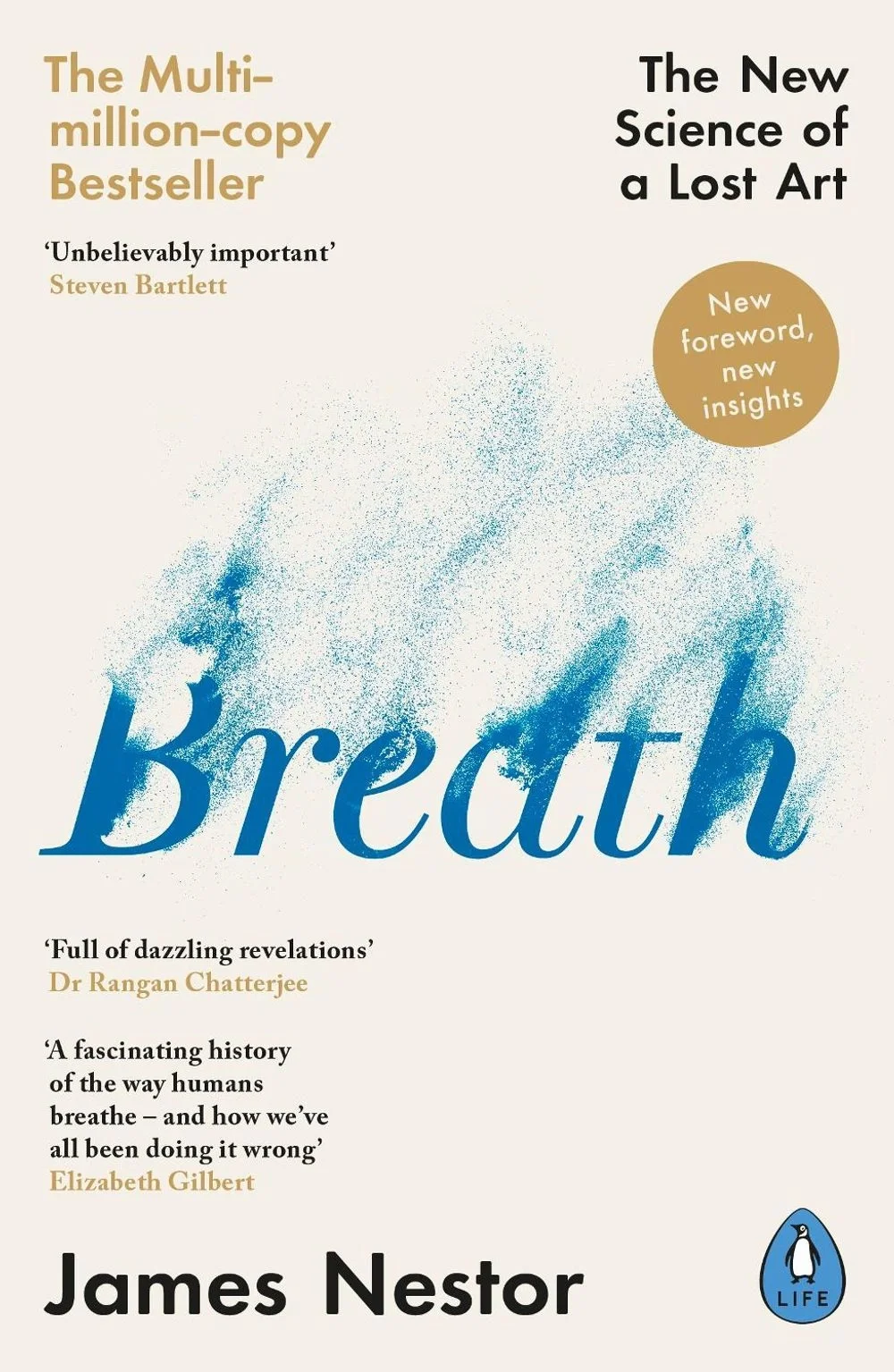
I have read this book multiple times and feel that it is a great place to come back to. Breathing is something we do all day every day, as I often say in our yoga classes, we breath approximately 20, 000 time a day, but it is rare that we stop to observe the breath, the consistency of our breath, the movements it creates, the depth or space of the breath. Our breath is a powerful tool that allows us to manipulate our nervous system. By speeding up our breath we are able to move the body into a controlled sympathetic response our fight or flight/ survival, by slowing it down we move the body into parasympathetic rest and digest/ calm. This means we can consciously help our body reset, rest and digest, allowing the blood to attend to our abdominal organs helping with smoother digestion, repairing damaged cells, creating new cells, helping with muscle recovery, immune system function, filtration, detoxification and so much more.
I have read this book multiple times and feel that it is a great place to come back to. Breathing is something we do all day every day, as I often say in our yoga classes, we breath approximately 20, 000 time a day, but it is rare that we stop to observe the breath, the consistency of our breath, the movements it creates, the depth or space of the breath. Our breath is a powerful tool that allows us to manipulate our nervous system. By speeding up our breath we are able to move the body into a controlled sympathetic response our fight or flight/ survival, by slowing it down we move the body into parasympathetic rest and digest/ calm. This means we can consciously help our body reset, rest and digest, allowing the blood to attend to our abdominal organs helping with smoother digestion, repairing damaged cells, creating new cells, helping with muscle recovery, immune system function, filtration, detoxification and so much more.
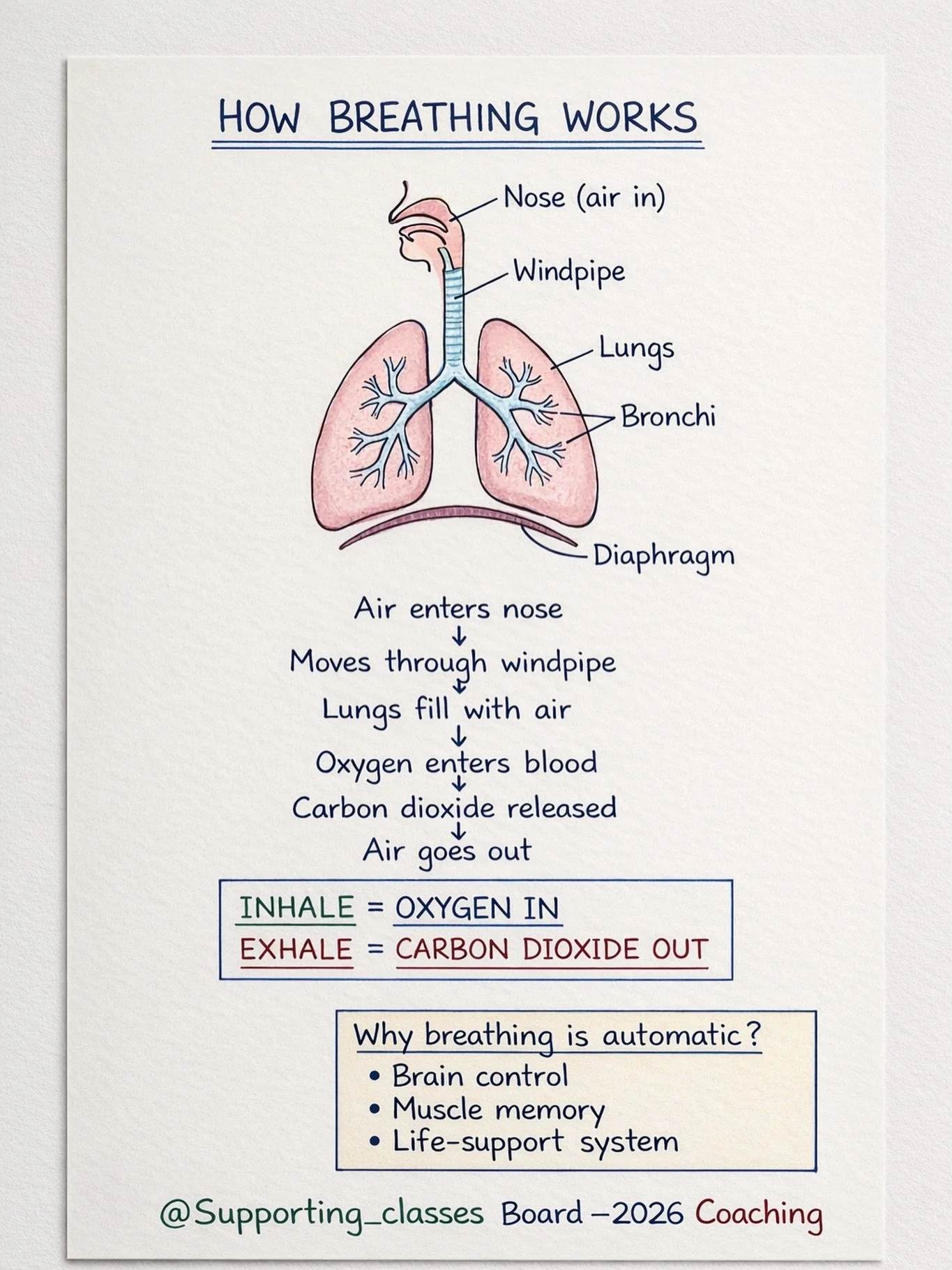
Our bodies are fascinating and are constantly working to keep us alive. I thought I'd give you a brief overview of what actually happens every time you take a breath.
When you breathe in through your nose, the air is filtered, warmed and humidified before travelling down the trachea (windpipe). The trachea then divides into two bronchi, one leading to each lung. Inside the lungs, these bronchi branch into smaller airways until they reach millions of tiny air sacs called alveoli.
The alveoli are where the magic happens. Oxygen passes through the thin walls of these air sacs and into the surrounding capillaries, where it binds to red blood cells. This oxygen-rich blood then travels back to the heart, which pumps it throughout the body to supply your muscles, organs, ligaments, tendons and every other tissue with the oxygen they need to produce energy and function efficiently.
At the same time, carbon dioxide, a waste product produced by your cells, is carried back through the bloodstream to the lungs. It moves from the blood into the alveoli and is then breathed out through the nose or mouth, completing the cycle.